Punjab Tourist Places & Travel Guide

Discover 51 travel destinations across 10 regions of Punjab.

Regions in Punjab

Featured Destinations in Punjab

Sri Harmandir Sahib (Golden Temple)
SpiritualHistory

Sri Harmandir Sahib (Golden Temple)

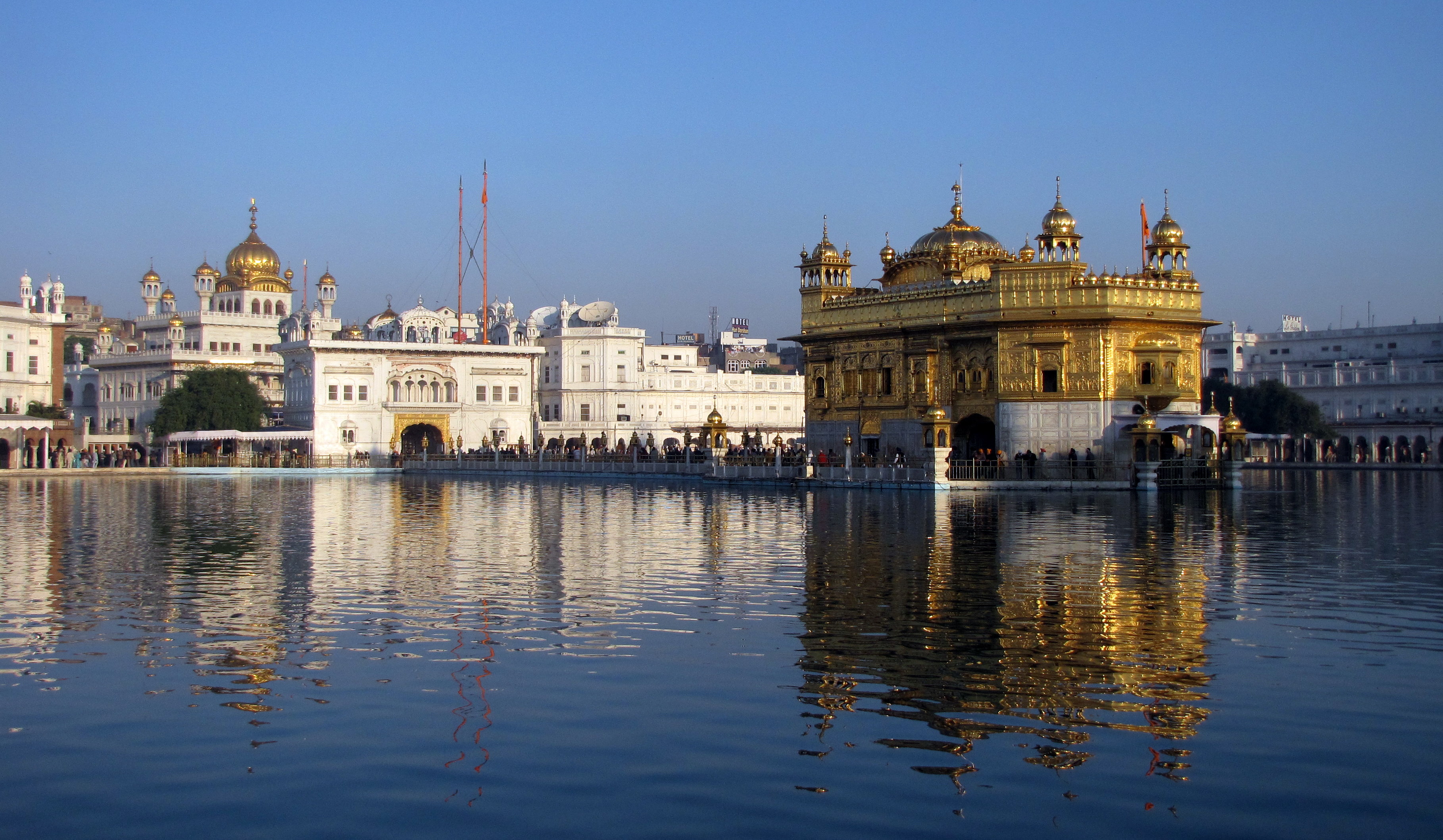
Sri Harmandir Sahib (Golden Temple), Amritsar and Majha Heartland, Punjab, India

Sri Harmandir Sahib, globally renowned as the Golden Temple, is the spiritual heartbeat of Sikhism. Built with gilded copper plates and surrounded by the sacred Amrit Sarovar, the gurdwara features four open entrances symbolising openness to all humankind and hosts Guru Ka Langar, serving tens of thousands daily.

Jallianwala Bagh National Memorial
HistoryPhotography

Jallianwala Bagh National Memorial

Jallianwala Bagh National Memorial, Amritsar and Majha Heartland, Punjab, India

A deeply solemn historical landmark located a short stroll from the Golden Temple, Jallianwala Bagh commemorates the unarmed peaceful citizens martyred in the 13 April 1919 Baisakhi massacre. The public park preserves the Martyrs Well, bullet marks in high brick walls, and the eternal Amar Jyoti flame.

Wagah-Attari Border Flag Ceremony
HistoryAdventure

Wagah-Attari Border Flag Ceremony

Wagah-Attari Border Flag Ceremony, Amritsar and Majha Heartland, Punjab, India

Located along the historic Grand Trunk Road 30 km west of Amritsar, the Attari-Wagah border is the international frontier separating India and Pakistan. The ceremonial border gates and grand stadium host the world-famous sunset Beating Retreat ceremony conducted by the Border Security Force.

Free (Arrive by 3:00 PM for seating) View Spot →
Gobindgarh Fort & Toshakhana
HistoryFamily

Gobindgarh Fort & Toshakhana

Gobindgarh Fort & Toshakhana, Amritsar and Majha Heartland, Punjab, India

Constructed in brick and lime with deep defensive moats, Gobindgarh Fort was fortified in the early 1800s by Maharaja Ranjit Singh to protect Amritsar. The citadel famously housed the Koh-i-Noor diamond in its Toshakhana (royal treasury) and features the historic Phansi Ghar and ancient Sikh coin mint.

₹50 - ₹150 depending on show package View Spot →
Partition Museum (Town Hall)
HistorySpiritual

Partition Museum (Town Hall)

Partition Museum (Town Hall), Amritsar and Majha Heartland, Punjab, India

Housed in the restored red-brick colonial Town Hall building on Heritage Street, the Partition Museum documents the largest human migration in history. Through oral archives, original newspaper clippings, refugee artefacts, and personal memoirs, it serves as a profound monument to resilience and reconciliation.

₹10 for Indians, ₹250 for foreigners View Spot →
Durgiana Temple (Lakshmi Narayan Mandir)
SpiritualHistory

Durgiana Temple (Lakshmi Narayan Mandir)

Durgiana Temple (Lakshmi Narayan Mandir), Amritsar and Majha Heartland, Punjab, India

Also known as the Silver Temple, Durgiana Mandir is an ornate Hindu pilgrimage site dedicated to Goddess Durga and Lord Vishnu. Architecturally reminiscent of the Golden Temple with its sanctum set amidst a sacred water reservoir and embossed silver doors, it dates to the 16th century and was rebuilt in the 1920s.

Ram Bagh Palace & Summer Garden
HistoryNature

Ram Bagh Palace & Summer Garden

Ram Bagh Palace & Summer Garden, Amritsar and Majha Heartland, Punjab, India

Designed in the pattern of Lahore's Shalimar Gardens, Ram Bagh was the royal summer retreat of Maharaja Ranjit Singh. The verdant garden complex holds the central red-sandstone summer palace, colonial statues, water canals, and the Maharaja Ranjit Singh Panorama portraying historic Sikh military battles.

₹10 for garden, ₹40 for panorama museum View Spot →
Pul Kanjari Historic Serai & Canal Hidden Gem
HistoryHidden Gem

Pul Kanjari Historic Serai & Canal

Pul Kanjari Historic Serai & Canal, Amritsar and Majha Heartland, Punjab, India

Located just 500 metres from the international border, Pul Kanjari was built by Maharaja Ranjit Singh as an exquisite country retreat between Amritsar and Lahore. It features a historic pool (baoli), a Gurdwara, an ancient Shiva temple with surviving frescoes, and a 1971 war memorial tower.

Qila Mubarak & Qila Androon
HistoryPhotography

Qila Mubarak & Qila Androon

Qila Mubarak & Qila Androon, Patiala and Malwa Royal Dynasty, Punjab, India

Standing majestically in the heart of Patiala, Qila Mubarak is a rare and monumental example of Sikh palace architecture infused with Mughal motifs. Constructed under Baba Ala Singh, the fortress complex contains Qila Androon with royal painted chambers, intricate jharokhas, and underground cool-air tunnels.

₹20 for Indians, ₹100 for foreigners View Spot →
Sheesh Mahal & Medal Gallery
HistoryPhotography

Sheesh Mahal & Medal Gallery

Sheesh Mahal & Medal Gallery, Patiala and Malwa Royal Dynasty, Punjab, India

Built in the mid-19th century by Maharaja Narinder Singh, Sheesh Mahal (Palace of Mirrors) sits behind an artificial lake with a striking Lakshman Jhula style suspension bridge. The palace is celebrated for Kangra and Rajasthani style wall frescoes illustrating classical poetry, alongside a museum holding rare royal decorations.

Baradari Gardens & Royal Pavilion
NatureHistory

Baradari Gardens & Royal Pavilion

Baradari Gardens & Royal Pavilion, Patiala and Malwa Royal Dynasty, Punjab, India

Commissioned by Maharaja Rajinder Singh in the late 19th century outside Sheranwala Gate, Baradari Gardens is Patiala's grand green lung. It features rare exotic trees, colonial walking avenues, and the celebrated Baradari (12-door marble palace pavilion) that served as a royal open-air durbar.

Bahadurgarh Fort & Gurdwara Hidden Gem
HistorySpiritual

Bahadurgarh Fort & Gurdwara

Bahadurgarh Fort & Gurdwara, Patiala and Malwa Royal Dynasty, Punjab, India

Constructed in 1658 and refurbished by Maharaja Karam Singh in 1837, Bahadurgarh Fort is distinguished by its formidable concentric circular bastions and moats. Within its high ramparts stands Gurdwara Sahib Patshahi Nauvin, commemorating the stay of the ninth Sikh Guru, Guru Tegh Bahadur.

Free for Gurdwara area View Spot →
Gurdwara Dukh Niwaran Sahib
SpiritualHistory

Gurdwara Dukh Niwaran Sahib

Gurdwara Dukh Niwaran Sahib, Patiala and Malwa Royal Dynasty, Punjab, India

Gurdwara Dukh Niwaran Sahib stands at the sacred spot in the former village of Lehal where Guru Tegh Bahadur rested under a banyan tree and blessed the local populace, curing them of an epidemic. The magnificent marble gurdwara features a sprawling holy sarovar and vibrant community kitchen.

Jagatjit Palace (Sainik School)
HistoryPhotography

Jagatjit Palace (Sainik School)

Jagatjit Palace (Sainik School), Kapurthala and French Heritage, Punjab, India

Commissioned by Maharaja Jagatjit Singh and designed by French architect M. Marcel, Jagatjit Palace is an architectural marvel of Beaux-Arts style. Featuring a mansard roof, plaster-of-paris ceilings, imported French furniture, and classical Italian marble statuary, it now houses the prestigious Sainik School Kapurthala.

Prior permission or exterior viewing / special open days View Spot →
Moorish Mosque (Jama Masjid)
HistorySpiritual

Moorish Mosque (Jama Masjid)

Moorish Mosque (Jama Masjid), Kapurthala and French Heritage, Punjab, India

Consecrated in 1930 by Maharaja Jagatjit Singh for his Muslim subjects, the Moorish Mosque is an extraordinary testament to religious harmony. Designed by French architect Monsieur M. Mantout after the Koutoubia Mosque in Marrakesh, it features intricate red-sandstone jalis, Horseshoe arches, and glazed green and red tile work.

Elysee Palace & Gardens Hidden Gem
HistoryHidden Gem

Elysee Palace & Gardens

Elysee Palace & Gardens, Kapurthala and French Heritage, Punjab, India

Constructed in 1862, Elysee Palace is a magnificent heritage mansion featuring a classic French facade with sweeping stone staircases, ornate colonnades, and sprawling heritage grounds. It serves as one of the finest surviving private villas of the Kapurthala royal era.

Exterior viewing / Free View Spot →
Shalimar Gardens & Royal Cenotaphs
NatureHistory

Shalimar Gardens & Royal Cenotaphs

Shalimar Gardens & Royal Cenotaphs, Kapurthala and French Heritage, Punjab, India

Established as a tranquil sanctuary in the city centre, Shalimar Gardens contains the red-sandstone and marble samadhis (memorial cenotaphs) of the ruling Ahluwalia dynasty. The garden features traditional baradaris, landscaped floral parterres, and the scenic Shahi Samadhian complex.

Kanjli Wetland & Lake Hidden Gem
NatureSunset

Kanjli Wetland & Lake

Kanjli Wetland & Lake, Kapurthala and French Heritage, Punjab, India

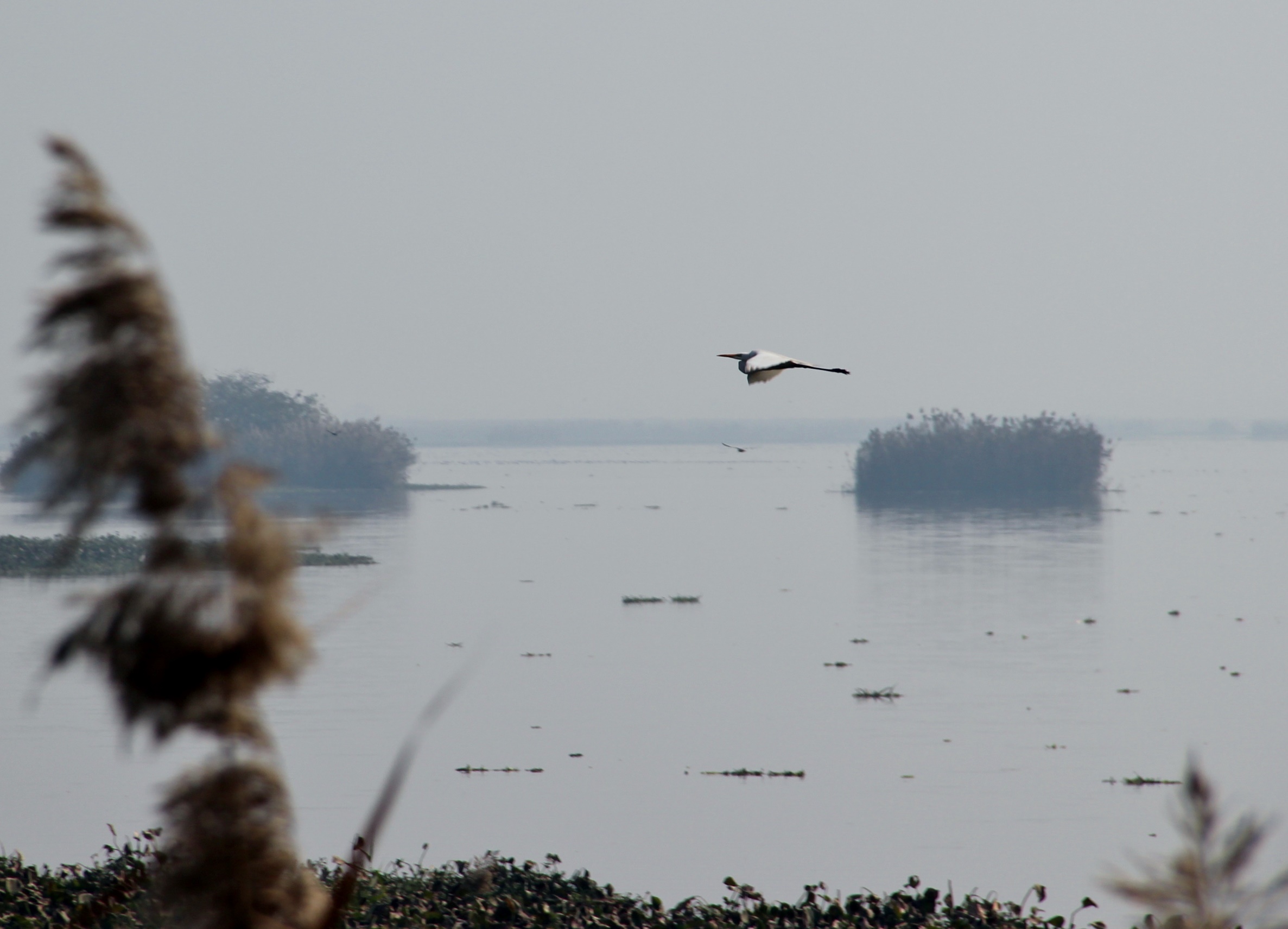
Formed in 1870 by constructing the headworks across the perennial Kali Bein rivulet, Kanjli Wetland is a designated Ramsar international site. The serene waterbody and riverine reeds provide prime habitat for waterfowl, tortoises, and migratory migratory birds in winter.

Devi Talab Mandir
SpiritualHistory

Devi Talab Mandir

Devi Talab Mandir, Jalandhar and Doaba Cultural Belt, Punjab, India

Devi Talab Mandir is a sacred pilgrimage centre venerated as one of the 51 holy Shaktipeeths where the right breast of Sati fell. Rising from the centre of a large sacred tank, the temple also holds an ancient temple of Goddess Kali and is the venue for the renowned 140-year-old Harballabh Sangeet Sammelan.

Jang-e-Azadi Memorial Kartarpur
HistoryFamily

Jang-e-Azadi Memorial Kartarpur

Jang-e-Azadi Memorial Kartarpur, Jalandhar and Doaba Cultural Belt, Punjab, India

Constructed over 25 acres along the Grand Trunk Road, the Jang-e-Azadi Memorial is a world-class architectural and cultural tribute to the martyrs of the Indian freedom movement from the Punjab region. Its signature circular memorial hall and laser show narrate heroic sagas from the Anglo-Sikh wars to 1947.

₹50 for adults, ₹30 for children View Spot →
Mughal Serai Nurmahal Hidden Gem
HistoryPhotography

Mughal Serai Nurmahal

Mughal Serai Nurmahal, Jalandhar and Doaba Cultural Belt, Punjab, India

Commissioned in 1618 by Mughal Empress Nur Jahan who spent her childhood here, Serai Nurmahal is one of the most magnificent surviving roadside inns along the historic Grand Trunk Road. Its massive double-storeyed western gateway is intricately carved with elephants, horses, and floral bas-relief panels.

St. Mary's Cathedral (Jalandhar Cantt)
SpiritualHistory

St. Mary's Cathedral (Jalandhar Cantt)

St. Mary's Cathedral (Jalandhar Cantt), Jalandhar and Doaba Cultural Belt, Punjab, India

Rebuilt in 1989 on the site of an 1847 church, St. Mary\'s Cathedral in Jalandhar Cantonment is hailed as an architectural masterpiece. Designed with sweeping arched towers, lush gardens, and Indian cultural motifs, it was personally blessed by Pope John Paul II.

Gurdwara Shaheed Baba Nihal Singh (Talhan) Hidden Gem
SpiritualHidden Gem

Gurdwara Shaheed Baba Nihal Singh (Talhan)

Gurdwara Shaheed Baba Nihal Singh (Talhan), Jalandhar and Doaba Cultural Belt, Punjab, India

Famed across Punjab as the Aeroplane Gurdwara, this 150-year-old shrine at Talhan village honours Shaheed Baba Nihal Singh. It gained international fame as devotees wishing to settle abroad offer toy aircraft at the sanctum, creating a vivid cultural phenomenon reflective of Doaba\'s migration heritage.

Lodhi Fort (Purana Qila Ludhiana) Hidden Gem
HistoryHidden Gem

Lodhi Fort (Purana Qila Ludhiana)

Lodhi Fort (Purana Qila Ludhiana), Ludhiana and Satluj Heartland, Punjab, India

Erected over 500 years ago during the reign of Delhi Sultan Sikandar Lodhi, this fortress gave the city its name (originally Lodhi-ana). Situated on an elevated ridge formerly on the banks of the Satluj River, its massive brick ramparts reveal ancient military architecture.

Maharaja Ranjit Singh War Museum
HistoryFamily

Maharaja Ranjit Singh War Museum

Maharaja Ranjit Singh War Museum, Ludhiana and Satluj Heartland, Punjab, India

Spanning over 4 acres along GT Road, the Maharaja Ranjit Singh War Museum pays tribute to the gallant armed forces of India. Marked by a monumental bronze statue of the Maharaja on horseback, the museum showcases fighter jets, Vijayanta tanks, historic armaments, and the Hall of Gallantry.

₹20 for Indians, ₹10 for children View Spot →
Museum of Rural Life (PAU)
HistoryCulture

Museum of Rural Life (PAU)

Museum of Rural Life (PAU), Ludhiana and Satluj Heartland, Punjab, India

Located within the green Punjab Agricultural University campus, this museum was curated by legendary writer M.S. Randhawa. Styled like a traditional 18th-century Punjabi rural courtyard house with mud-plastered walls and carved wooden gates, it showcases vintage phulkari embroideries, farming implements, and folk musical instruments.

Gurdwara Manji Sahib Alamgir
SpiritualHistory

Gurdwara Manji Sahib Alamgir

Gurdwara Manji Sahib Alamgir, Ludhiana and Satluj Heartland, Punjab, India

Gurdwara Manji Sahib at Alamgir village is sanctified by the stay of Guru Gobind Singh in 1705 after departing Machhiwara. The Guru shot an arrow into the parched earth here, causing a sacred spring (Tirsar) to gush forth, which today forms the shrine\'s expansive sarovar lake.

Rakh Bagh Park & Heritage Toy Train
NatureFamily

Rakh Bagh Park & Heritage Toy Train

Rakh Bagh Park & Heritage Toy Train, Ludhiana and Satluj Heartland, Punjab, India

Rakh Bagh is Ludhiana's oldest and most beloved urban park, offering a welcome respite from the city's busy markets. Famous for its nostalgic operational miniature toy train, jogging tracks, open-air gymnasiums, and century-old neem and peepal trees, it is a favourite family recreation destination.

Free (Toy train nominal fee) View Spot →
Qila Mubarak Bathinda (Razia Sultan Fort)
HistoryPhotography

Qila Mubarak Bathinda (Razia Sultan Fort)

Qila Mubarak Bathinda (Razia Sultan Fort), Bathinda and Southwestern Forts, Punjab, India

Dating back to the Kushana period (roughly 90–110 CE), Qila Mubarak Bathinda is one of India's oldest surviving brick forts. Constructed with ancient thin burnt bricks, it was here that Delhi's first female monarch Empress Razia Sultan was defeated and incarcerated in 1240, and Guru Gobind Singh later visited in 1705.

Takht Sri Damdama Sahib (Talwandi Sabo)
SpiritualHistory

Takht Sri Damdama Sahib (Talwandi Sabo)

Takht Sri Damdama Sahib (Talwandi Sabo), Bathinda and Southwestern Forts, Punjab, India

Takht Sri Damdama Sahib at Talwandi Sabo is the fifth Takht of the Sikh faith. Known as Guru Ki Kashi (Seat of Wisdom), it is here that Guru Gobind Singh rested (dam) in 1705 and dictated the full, definitive bir (edition) of Sri Guru Granth Sahib to Bhai Mani Singh.

Bathinda Lakes & Promenade
NatureSunset

Bathinda Lakes & Promenade

Bathinda Lakes & Promenade, Bathinda and Southwestern Forts, Punjab, India

Originally engineered as water reservoirs for the Guru Nanak Dev Thermal Plant, the sprawling artificial lakes of Bathinda have evolved into popular recreational hubs. Visitors enjoy paddle boating, evening fountain illuminations, and sunset views over the vast expanse of water.

Free (Boating tickets separate) View Spot →
Maiser Khana Mandir Hidden Gem
SpiritualHidden Gem

Maiser Khana Mandir

Maiser Khana Mandir, Bathinda and Southwestern Forts, Punjab, India

Maiser Khana Mandir is situated 29 km from Bathinda on the Raman road. According to legend, a poor devotee named Kamala could not travel to Kangra for pilgrimage, and pleased with his devotion, Goddess Durga appeared here, drawing thousands of devotees to its biannual fairs.

Bir Talab Deer Park & Reserve
NatureFamily

Bir Talab Deer Park & Reserve

Bir Talab Deer Park & Reserve, Bathinda and Southwestern Forts, Punjab, India

Spread over 161 acres of acacia and teak forest, Bir Talab Deer Park is Bathinda\'s prime wildlife destination. The sanctuary preserves Punjab\'s state animal the endangered Blackbuck (Antilope cervicapra), along with spotted deer, sambars, and a vibrant walkthrough aviary.

₹20 for adults, ₹10 for children View Spot →
Takht Sri Keshgarh Sahib
SpiritualHistory

Takht Sri Keshgarh Sahib

Takht Sri Keshgarh Sahib, Sri Anandpur Sahib and Shivalik Foothills, Punjab, India

Perched dramatically on a hillock overlooking the town of Anandpur Sahib, Takht Sri Keshgarh Sahib is the birthplace of the Khalsa. Here on Baisakhi day in 1699, Guru Gobind Singh created the Order of the Khalsa and initiated the Panj Pyare. The sanctum preserves original historic weapons of the Guru.

Virasat-e-Khalsa Heritage Museum
HistoryPhotography

Virasat-e-Khalsa Heritage Museum

Virasat-e-Khalsa Heritage Museum, Sri Anandpur Sahib and Shivalik Foothills, Punjab, India

Designed by celebrated international architect Moshe Safdie, Virasat-e-Khalsa is one of the most visited museum complexes in Asia. Spanning two soaring concrete-and-sandstone complexes linked by a pedestrian suspension bridge over a scenic canyon, its immersive experiential galleries celebrate Punjab\'s history, culture, and Sikh heritage.

Free entry (Passes required at counter / audio guide available) View Spot →
Qila Anandgarh Sahib & Deep Well Baoli Hidden Gem
HistorySpiritual

Qila Anandgarh Sahib & Deep Well Baoli

Qila Anandgarh Sahib & Deep Well Baoli, Sri Anandpur Sahib and Shivalik Foothills, Punjab, India

One of five defensive forts constructed in Anandpur Sahib by Guru Gobind Singh in the late 17th century to protect against Mughal and Hill Raja armies. The fortress features a deep subterranean baoli (stepwell) with 135 steps descending deep into the water table, which sustained the defending garrison during long sieges.

Ropar Archaeological Site & ASI Museum Hidden Gem
HistoryHidden Gem

Ropar Archaeological Site & ASI Museum

Ropar Archaeological Site & ASI Museum, Sri Anandpur Sahib and Shivalik Foothills, Punjab, India

Located on the banks of the Satluj River in Rupnagar, this monumental archaeological excavation mound unveiled continuous human occupation spanning six cultural periods from the Indus Valley Civilization (c. 2100 BCE) through Painted Grey Ware, Kushana, Gupta, and medieval eras. The onsite ASI museum houses ancient seals, beads, and pottery.

₹25 for Indians, ₹300 for foreigners View Spot →
Ropar Wetland & Bird Sanctuary
NatureSunset

Ropar Wetland & Bird Sanctuary

Ropar Wetland & Bird Sanctuary, Sri Anandpur Sahib and Shivalik Foothills, Punjab, India

Created in 1952 by the barrage across the Satluj River, Ropar Wetland is an ecologically vital Ramsar site. Nestled against the backdrop of the Shivalik hills, it provides wintering grounds for Bar-headed geese, migratory ducks, fish eagles, and endangered freshwater turtles.

Harike Pattan Wetland & Bird Sanctuary
NatureAdventure

Harike Pattan Wetland & Bird Sanctuary

Harike Pattan Wetland & Bird Sanctuary, Harike Wetland and Tarn Taran Borderland, Punjab, India

Formed at the confluence of the Beas and Satluj rivers, Harike Pattan is one of northern India's premier biodiversity hotspots. Spanning 41 sq km, the Ramsar wetland hosts upwards of 200,000 migratory waterfowl each winter alongside rare Indus river dolphins, smooth-coated otters, and freshwater turtles.

Free (Forest boat tours available through wildlife dept) View Spot →
Gurdwara Sri Tarn Taran Sahib
SpiritualHistory

Gurdwara Sri Tarn Taran Sahib

Gurdwara Sri Tarn Taran Sahib, Harike Wetland and Tarn Taran Borderland, Punjab, India

Established in 1590 by the fifth Sikh Guru, Guru Arjan Dev, Gurdwara Sri Tarn Taran Sahib is famed for having the largest sacred water tank (sarovar) of all Sikh shrines. With its gleaming golden dome and majestic three-storeyed minar built by Kanwar Nau Nihal Singh, it is a sublime architectural and spiritual beacon.

Gurdwara Goindwal Sahib & 84-Step Baoli
SpiritualHistory

Gurdwara Goindwal Sahib & 84-Step Baoli

Gurdwara Goindwal Sahib & 84-Step Baoli, Harike Wetland and Tarn Taran Borderland, Punjab, India

Constructed under the supervision of the third Sikh Guru, Guru Amar Das, Goindwal Sahib served as the focal centre of Sikhism in the 16th century. Devotees revere its historic Baoli Sahib (stepwell) with 84 marble steps leading down to the sacred subterranean water, symbolising liberation from the cycle of 8.4 million reincarnations.

Gurdwara Khadoor Sahib Hidden Gem
SpiritualHistory

Gurdwara Khadoor Sahib

Gurdwara Khadoor Sahib, Harike Wetland and Tarn Taran Borderland, Punjab, India

Khadoor Sahib holds a venerated place in Punjabi history as the birthplace of the standardized Gurmukhi script introduced by Guru Angad Dev. Eight of the ten Sikh Gurus visited or sanctified this township, which today features monumental gurdwaras, eco-conservation initiatives, and serene prayer halls.

Jal Mahal & Baradari of Batala Hidden Gem
HistoryPhotography

Jal Mahal & Baradari of Batala

Jal Mahal & Baradari of Batala, Gurdaspur, Batala and Pathankot Foothills, Punjab, India

Constructed in the 16th century during the reign of Emperor Akbar and later refurbished by Maharaja Sher Singh, the Jal Mahal in Batala is an elegant octagonal palace pavilion floating in the middle of a reservoir tank. Connected by a causeway, its arches and domed roofs reflect in the placid water.

Tomb of Shamsher Khan (Hazira) Hidden Gem
HistoryHidden Gem

Tomb of Shamsher Khan (Hazira)

Tomb of Shamsher Khan (Hazira), Gurdaspur, Batala and Pathankot Foothills, Punjab, India

Locally known as the Hazira of Batala, this monumental 16th-century tomb was built for Shamsher Khan, foster brother of Emperor Akbar. Set upon a high plinth and surrounded by landscaped gardens, the octagonal red-brick tomb features surviving floral frescoes and soaring arched alcoves.

Shahpur Kandi Fort Hidden Gem
HistoryNature

Shahpur Kandi Fort

Shahpur Kandi Fort, Gurdaspur, Batala and Pathankot Foothills, Punjab, India

Constructed in 1505 by Rajput Chief Jaspal Singh Manhas on a steep rocky outcrop over the Ravi River, Shahpur Kandi Fort guarded the gateway to Nurpur and Kangra. Overlooking the river gorge near the Jammu and Kashmir border, it offers dramatic views of the Shivalik foothills.

Mukteshwar Mahadev Cave Temple (Dung) Hidden Gem
SpiritualHistory

Mukteshwar Mahadev Cave Temple (Dung)

Mukteshwar Mahadev Cave Temple (Dung), Gurdaspur, Batala and Pathankot Foothills, Punjab, India

Dating back to the Mahabharata era and carved into sheer sandstone cliffs along the banks of River Ravi, the Mukteshwar caves are believed to have sheltered the Pandavas during their exile. A sacred copper Shivling stands inside the natural cave chamber, commanding breathtaking views of the river gorge.

Keshopur-Miani Community Wetland Hidden Gem
NatureSunset

Keshopur-Miani Community Wetland

Keshopur-Miani Community Wetland, Gurdaspur, Batala and Pathankot Foothills, Punjab, India

Covering 850 acres near Gurdaspur, Keshopur-Miani Chhamb was designated a Ramsar site in 2019 as India's first community reserve. Fed by annual monsoons and natural runoff from the Shivaliks, it hosts immense flocks of Common Cranes, Sarus cranes, and migratory waterfowl.

Banasar Garden & Marble Baradari
NatureHistory

Banasar Garden & Marble Baradari

Banasar Garden & Marble Baradari, Sangrur and Malwa Plains, Punjab, India

The centrepiece of royal Sangrur when it was the capital of Jind State, Banasar Garden features an ornate marble Baradari (pavilion) set upon an artificial lake. Built by Raja Raghbir Singh in the late 19th century, the garden offers lush avenues, fountains, and vintage clock towers.

Mubarak Manzil Palace Malerkotla Hidden Gem
HistoryHidden Gem

Mubarak Manzil Palace Malerkotla

Mubarak Manzil Palace Malerkotla, Sangrur and Malwa Plains, Punjab, India

Constructed in the 19th century, Mubarak Manzil is the ancestral palace of the Sherwani Nawabs of Malerkotla, celebrated for Nawab Sher Mohammad Khan\'s historic protest (Ha da Naara) against the martyrdom of Guru Gobind Singh\'s young sons. The palace features grand European colonnades, royal courtyards, and armouries.

Free / Exterior viewing View Spot →
Qila Mubarak & Hira Mahal Nabha Hidden Gem
HistoryHidden Gem

Qila Mubarak & Hira Mahal Nabha

Qila Mubarak & Hira Mahal Nabha, Sangrur and Malwa Plains, Punjab, India

Founded by Raja Hamir Singh in 1755, Qila Mubarak Nabha was the administrative hub of the princely Nabha State. Accompanied by the later Hira Mahal with its landscaped royal gardens and court rooms, the fort complex exemplifies the defensive architecture of 18th-century Malwa.

Gurdwara Nanakiana Sahib (Mangwal) Hidden Gem
SpiritualHistory

Gurdwara Nanakiana Sahib (Mangwal)

Gurdwara Nanakiana Sahib (Mangwal), Sangrur and Malwa Plains, Punjab, India

Situated 4 km from Sangrur at village Mangwal, Gurdwara Nanakiana Sahib commemorates the sacred visits of both the first Sikh Guru, Guru Nanak Dev, and the sixth Guru, Guru Hargobind Sahib. The elegant white marble gurdwara features a serene sarovar, historical banyan tree, and vast community gardens.