Hidden Gems & Secret Spots in West Bengal

Discover 15 travel destinations across 10 regions of West Bengal.

Regions in West Bengal

Hidden Spots in West Bengal

Marble Palace Hidden Gem

Marble Palace

Kolkata & Hooghly Heritage

Built in 1835 by Raja Rajendra Mullick, this neoclassical mansion in North Kolkata is renowned for its 126 types of Italian marble walls, classical Western sculptures, Belgian glassware, and original European oil paintings by masters like Peter Paul Rubens and Sir Joshua Reynolds.

Free (Prior entry permit required from West Bengal Tourism) View Spot →
Morgan House (Durpin Heritage Mansion) Hidden Gem

Morgan House (Durpin Heritage Mansion)

Kalimpong & Dooars Wildlife Foothills

Constructed in the 1930s by wealthy English jute merchant George Morgan, this magnificent stone-and-timber British colonial cottage sits atop Durpin Dara hill. Now operated by West Bengal Tourism Development Corporation (WBTDC), it preserves stone fireplaces, ivy-draped chimneys, and views of Kanchenjunga.

Free for visitors / Lodge booking as per WBTDC rates View Spot →
Lava & Neora Valley National Park Hidden Gem

Lava & Neora Valley National Park

Kalimpong & Dooars Wildlife Foothills

Situated at an altitude of 2,138 meters, Lava serves as the entry gate to Neora Valley National Park, one of the richest biological zones in eastern India. The park protects untouched virgin canopy forests, bamboo groves sheltering red pandas, clouded leopards, and over 200 species of Himalayan birds.

₹120 (Forest entry permit) View Spot →
Buxa Fort & Buxa Tiger Reserve Hidden Gem

Buxa Fort & Buxa Tiger Reserve

Kalimpong & Dooars Wildlife Foothills

Perched at 867 meters in the Sinchula Range on the Bhutan border, Buxa Fort was captured by the British in the 1865 Sinchula Treaty and turned into an impenetrable high-security detention camp where Indian freedom fighters were interned. The surrounding Tiger Reserve is a rugged biodiversity hotspot.

₹50 (Reserve entry) / Guide ₹300-500 View Spot →
Netidhopani Historic Watchtower & Ruins Hidden Gem

Netidhopani Historic Watchtower & Ruins

Sundarbans Mangrove Delta & Tiger Biosphere

Steeped in Bengali folk mythology, Netidhopani houses the remains of a 400-year-old brick temple where washerwoman Neti Dhopani is said to have aided Behula on her mythological river journey. The watchtower overlooks a freshwater watering hole frequently visited by tigers and estuarine crocodiles.

Included in Sundarbans Boat Permit View Spot →
Susunia Hill & Ancient Spring Hidden Gem

Susunia Hill & Ancient Spring

Bishnupur & Bankura Terracotta Temples

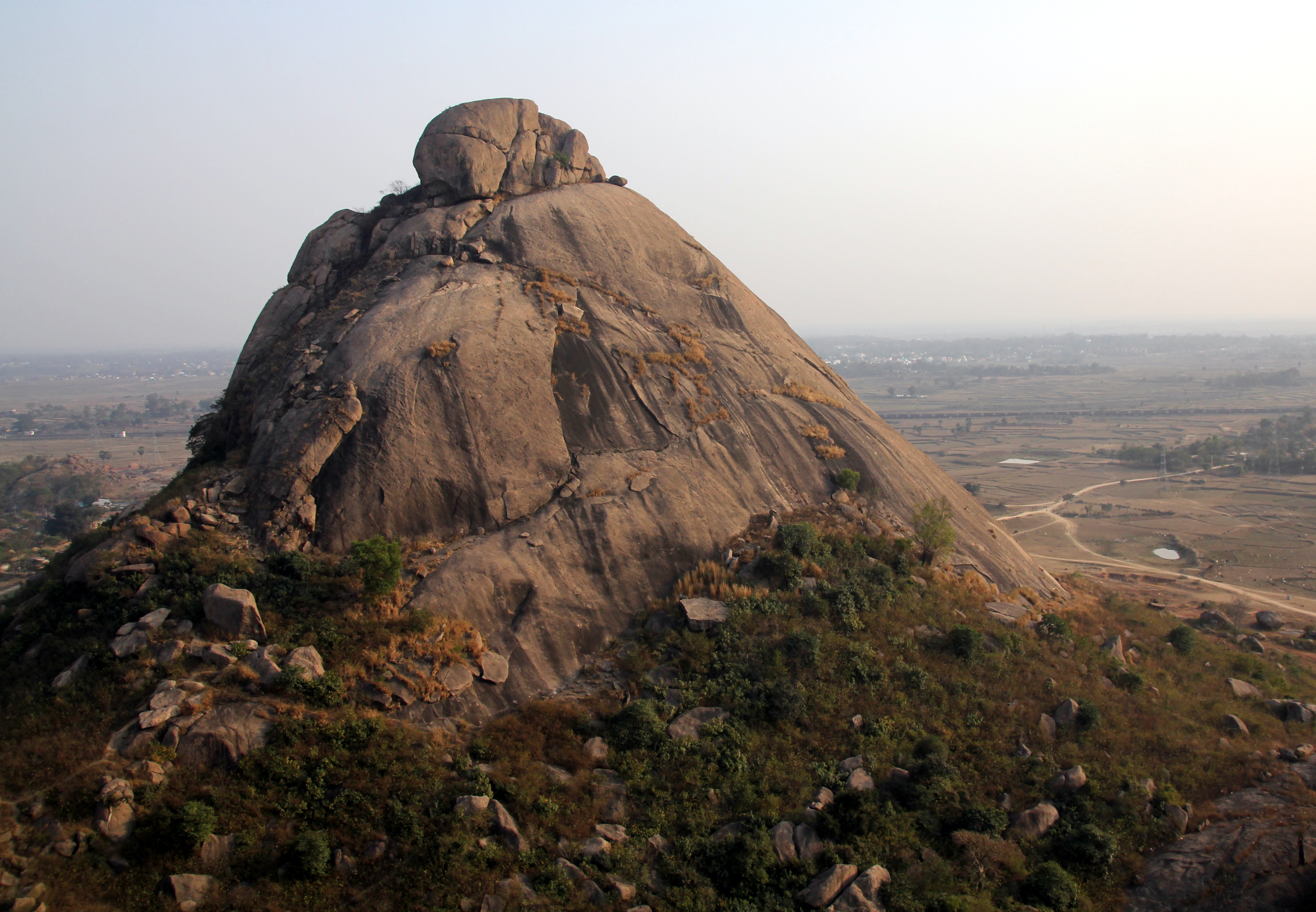
Rising 440 meters above the Bankura plains, Susunia Hill is an ancient geological formation famous as a pioneer rock climbing training ground in Eastern India. It houses the 4th-century CE rock inscription of King Chandravarman, natural medicinal freshwater springs, and stone-carving artisans.

Wasif Manzil (New Palace) Hidden Gem

Wasif Manzil (New Palace)

Murshidabad & Nawabi Bengal Citadel

Built in 1904 by Nawab Bahadur Sir Wasif Ali Mirza just south of Hazarduari Palace, Wasif Manzil is designed like a miniature European castle. Preserved by the ASI, the palace boasts semi-circular arches, antique marble statues, and landscaped gardens.

Included in Hazarduari ticket View Spot →
Tajpur Beach & Casuarina Groves Hidden Gem

Tajpur Beach & Casuarina Groves

Digha, Mandarmani & Coastal Belts

Located between Mandarmani and Shankarpur, Tajpur is one of Bengal's most tranquil coastal getaways. Sheltered by deep casuarina and eucalyptus forests with no commercial crowds, it provides an idyllic natural setting for beach strolls and viewing vibrant red ghost crabs.

Shankarpur Beach & Fishing Harbor Hidden Gem

Shankarpur Beach & Fishing Harbor

Digha, Mandarmani & Coastal Belts

Just 14 km east of Digha, Shankarpur is both a serene beach destination and an active deep-sea fishing port. The beach is lined with towering casuarina trees, offering vantage points to watch hundreds of fishing trawlers return with their daily ocean catch against the backdrop of the sunrise.

Bamni Falls & River Cascades Hidden Gem

Bamni Falls & River Cascades

Purulia & Ayodhya Hills

Hidden deep within the Ayodhya Hill forest, Bamni Falls is a perennial multi-tiered waterfall cascading dramatically over massive granite boulders. A trek descending several hundred rock-cut steps through dense sal and mahua groves leads to natural pools at the foot of the gorge.

Turga Falls & Turga Dam Hidden Gem

Turga Falls & Turga Dam

Purulia & Ayodhya Hills

Turga Falls is famous for its crystalline water that pours over rugged granite formations into a secluded forest stream. Nearby lies the Turga Dam and reservoir, providing a tranquil picnic spot framed by forested hill slopes.

Charida Chhau Mask Village Hidden Gem

Charida Chhau Mask Village

Purulia & Ayodhya Hills

Nestled at the foothills of Ayodhya Hills, Charida is a unique craft village where over 300 families of master artisans have hand-crafted the elaborate paper-mâché, clay, and feather-studded masks used in Purulia's UNESCO-recognized martial Chhau dance for over 150 years.

Joychandi Pahar & Rock Climbing Hidden Gem

Joychandi Pahar & Rock Climbing

Purulia & Ayodhya Hills

Rising precipitously near Adra in Purulia, Joychandi Pahar consists of three granite monolith peaks with an ancient Chandi Mata temple at the summit reached via 500 rock steps. Celebrated as the filming location for Satyajit Ray's classic film, it is also a premier rock-climbing base in eastern India.

Dakhil Darwaza (Salami Darwaza) Hidden Gem

Dakhil Darwaza (Salami Darwaza)

Malda & Gour Medieval Ruins

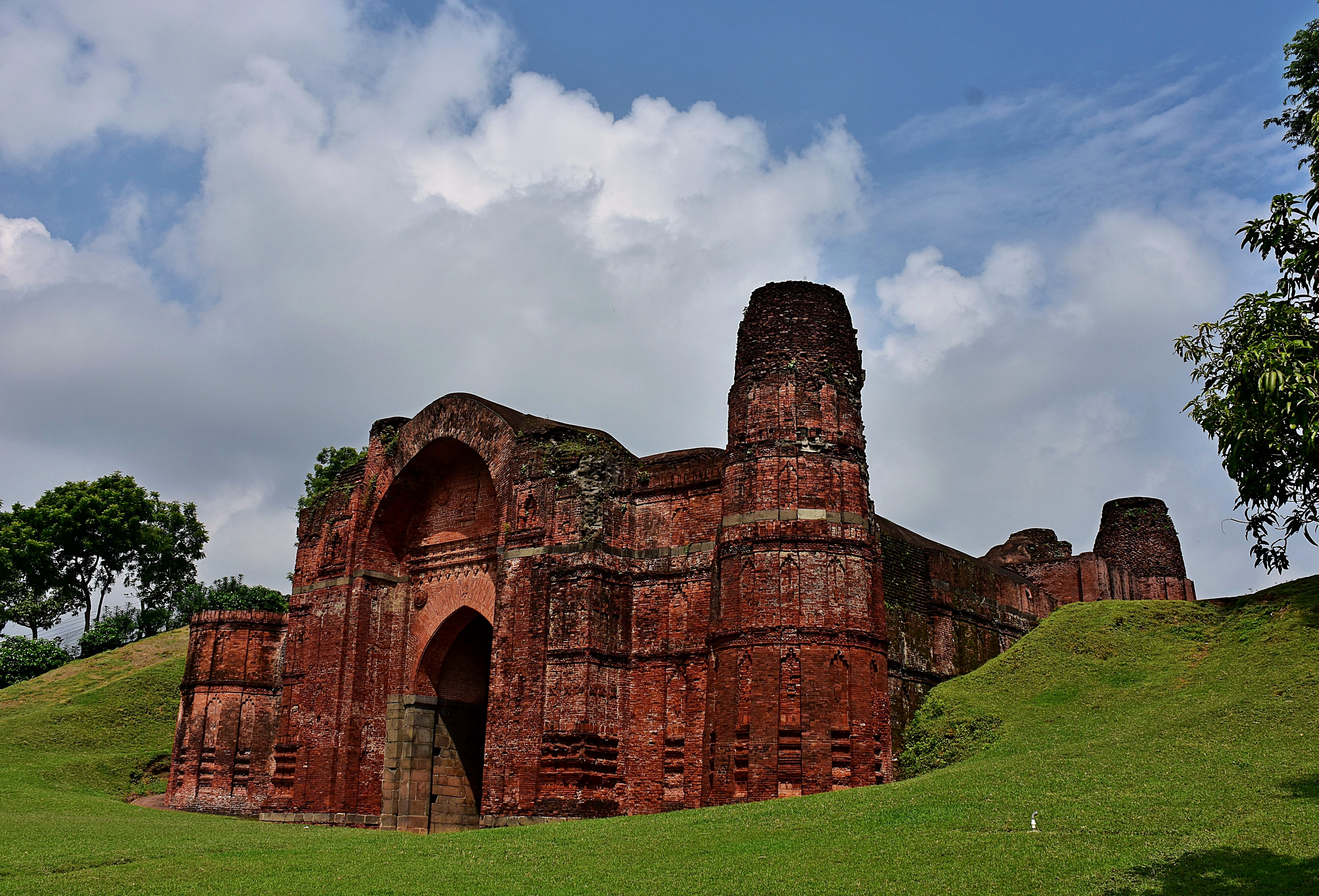
Constructed around 1425 CE by Sultan Nasiruddin Mahmud Shah, Dakhil Darwaza served as the grand northern triumphal gateway to the citadel of Gour. Spanning 113 feet across with 60-foot-high four-story circular bastion towers, this monumental red-brick portal is embellished with fine terracotta rosettes and floral arabesques.

Firoz Minar (Tower of Victory) Hidden Gem

Firoz Minar (Tower of Victory)

Malda & Gour Medieval Ruins

Constructed in 1489 CE by Sultan Saifuddin Firoz Shah, this five-storey, 84-foot-high tower served both as a victory monument and as a minaret for calling prayers. The lower three storeys are twelve-sided polygons while the upper two are cylindrical, finished with terracotta bands and an interior winding staircase of 73 steps.